Site approach and ground conditions
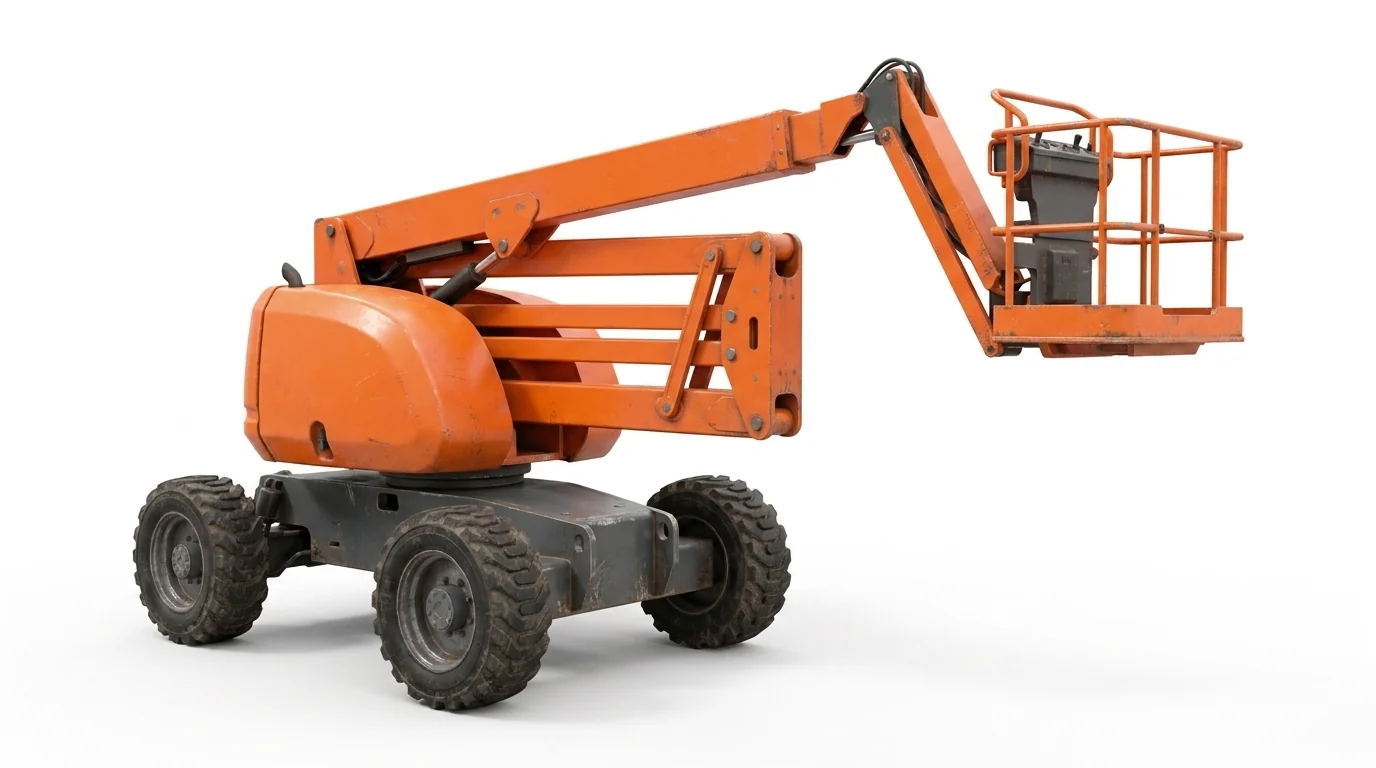
Montgomery’s expansive clay soil can hold water and soften after heavy rain. When staging on unpaved approaches, ground firmness becomes a gating factor. Where the approach is paved and open, a straight boom can sit well back from the structure and still reach the work. On mixed surfaces—gravel over clay, edge-of-slab, or graded pads—compare rough-terrain packages against the risk of surface slippage. Actual conditions and the unit’s instructions determine allowable setup.
Where telescopic booms fit best
- Exterior envelope work with clear swing radius.
- Long spans along distribution building walls and lighting runs.
- Industrial sites with wide aprons, laydown areas, and fewer overhead impediments.
Indoors, telescopic booms are limited by aisle widths, turning radius, and ceiling clutter. In tight interior zones with ductwork or mezzanines, see articulating booms.
Measurements to have on hand
- Horizontal reach from feasible machine stance to the work face.
- Required platform height to keep the boom within its working envelope.
- Available width along the route, including gates and turns.
- Surface type at travel and setup points: slab, paving, compacted fill, or exposed soil.
- Anticipated wind exposure at height for exterior work, per site procedures.
Straight boom vs. scissor lift outside
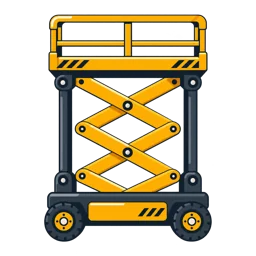
For façade or lighting along long runs, a telescopic boom reduces repositioning. If the task is primarily vertical with frequent stops at the same elevation, a rough-terrain scissor can offer more deck space. Match the machine to whether the job is linear reach or platform workspace.
Planning around regional industry layouts
Local manufacturing and logistics facilities often have generous setbacks and service roads, ideal for straight booms. Where the route tightens near loading canopies or electrical rooms, an articulating boom’s up-and-over arc may be more efficient for the final approach.
Related resources
- Other boom types: boom lift overview and articulating models
- Material staging: telehandlers and forklifts