Start with the surface under the wheels
- Clay-rich ground in the region resists drainage, leading to soft pockets and slippery top layers after rain. A wider stance, larger tires, and 4WD help traverse job entrances, laydown areas, and utility corridors.
- On paved lots with uncertain patches, verify that the surface will not crumble under concentrated loads at joints and repairs.
Height and platform planning
Pick platform height for the highest working point, then consider: - Platform length for two-person tasks and material staging - Deck extensions for reach straight over parapets or facade elements - Guardrail clearances near signage, canopy edges, or roof overhangs
If the work is offset from the base—over landscaping, retaining walls, or equipment—compare /boom-lift-rental/ options.
Leveling and grade considerations
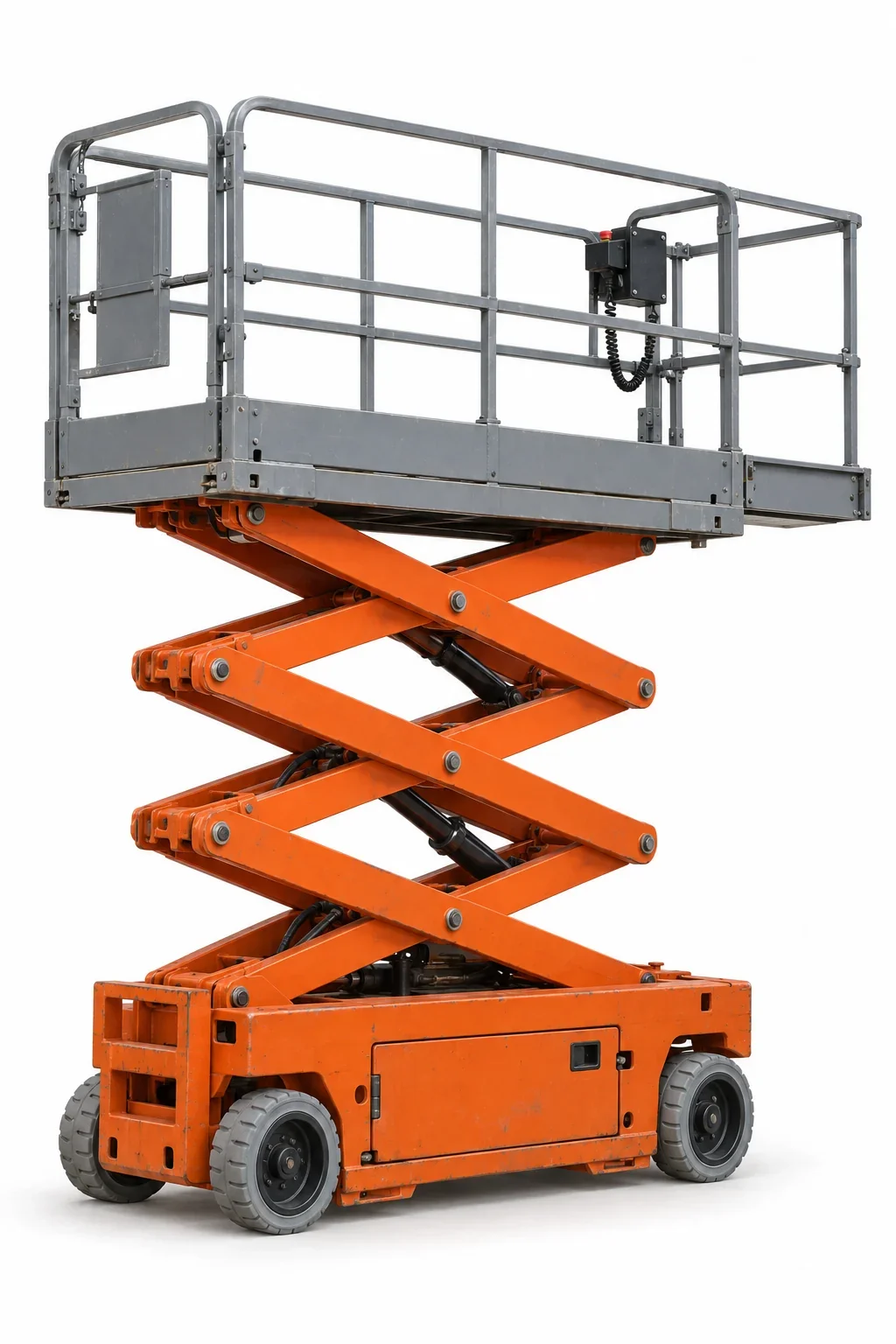
Some rough-terrain scissors include stabilizing or leveling systems. Site slope, ruts from tracked equipment, and soft shoulders along temporary access roads can all affect setup. Confirm model capabilities against surveyed grades and the actual pad where the machine will stand. Elevated work must follow the selected unit’s instructions and site procedures.
Weather and scheduling in Montgomery
Frequent rainfall can extend drying times on cut-and-fill sites. Staging mats, gravel pads, or paved approaches may be part of the planning conversation when moving from staging to the work face.
For indoor or finished-floor tasks, see /electric-scissor-lift-rental/. For outreach beyond straight-up lifts, see /aerial-lift-rental/.