Articulating vs. telescopic in local scenarios
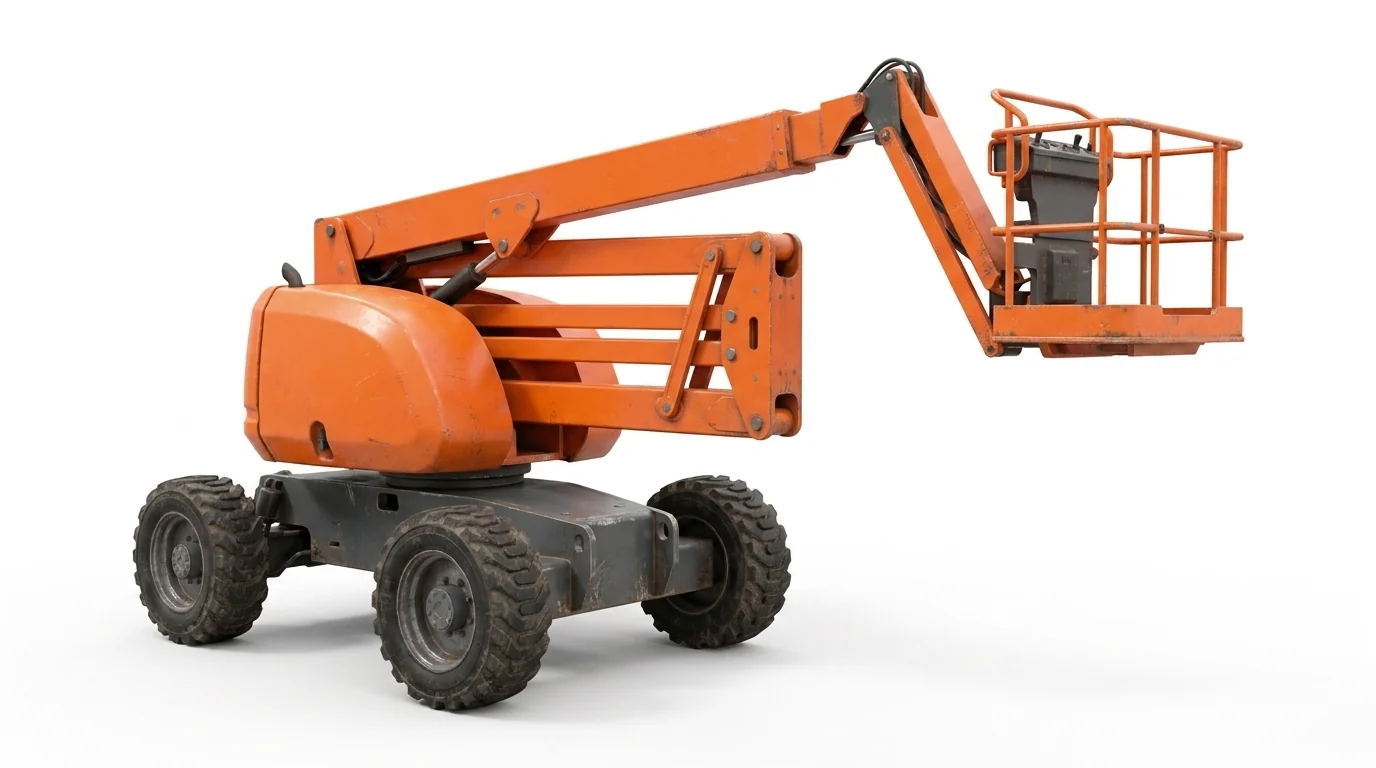
- Articulating booms: Jointed sections navigate over conveyors, mezzanines, and facade elements. Useful in high-bay interiors with dense utilities.
- Telescopic booms: Longer horizontal reach for set-back roof edges, tall facades, and open sites where straight approach is possible.
Surface and approach matter in Montgomery
Clay soils can stay slick and soft after storms. For exterior work, consider traction, ground clearance, and allowable setup areas. On paved sites, evaluate patches, joints, and curbs that constrain approach angles. Indoors, narrow aisles and door frames may require compact units with reduced tailswing.
Height, outreach, and jib details
- Working height and horizontal reach must cover the highest point and the farthest setback without exceeding floor or ground limits.
- Jib articulation helps position above ductwork or under overhangs common in local industrial and commercial spaces.
- Platform capacity and size influence two-person tasks and tool staging when reaching at full extension.
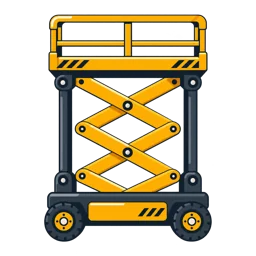
When a scissor is better
If the machine can sit below the work and the task needs a larger platform with straight-up access, a scissor lift is often more efficient. See /electric-scissor-lift-rental/ for interior slabs and /rough-terrain-scissor-lift-rental/ for outdoor vertical work.
Actual conditions, the selected unit’s instructions, and site procedures govern elevated work.