Job layout and ground conditions
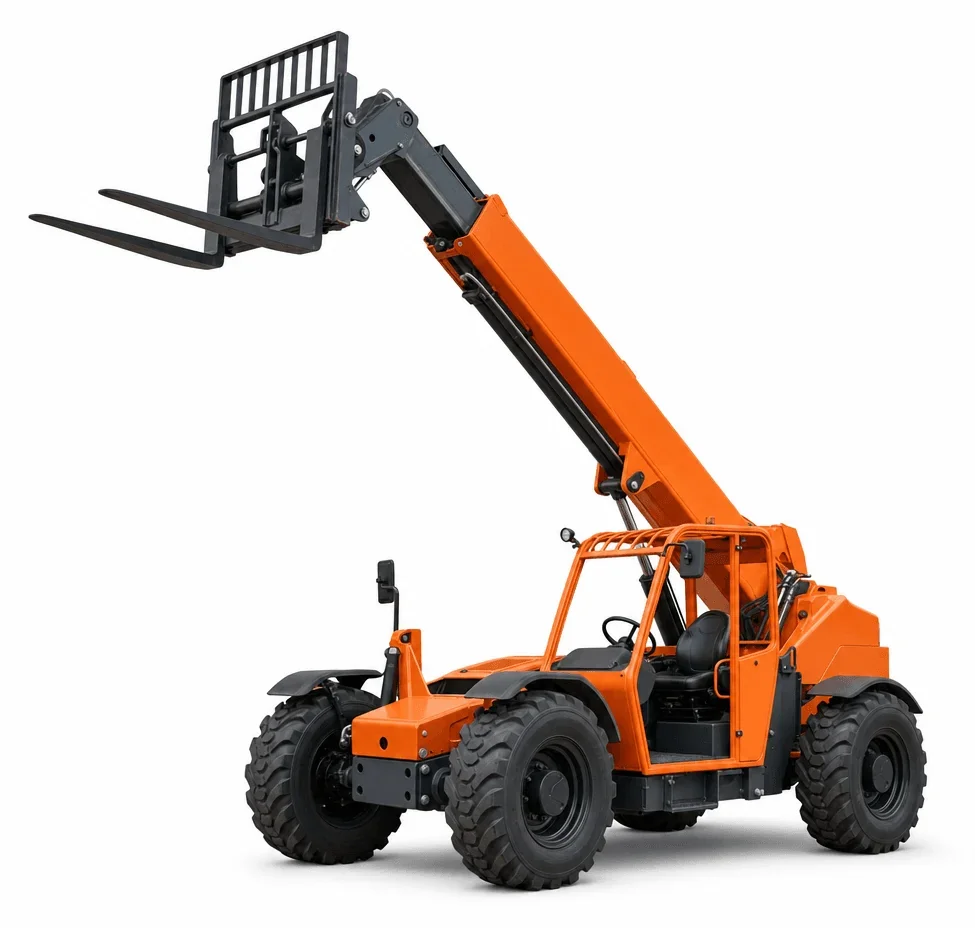
Many local projects stage materials on gravel or soil pads. In Montgomery, clay soils can become unstable after heavy rain, affecting traction and ground-bearing. Telehandlers with rough-terrain capability handle uneven approaches, but the suitability of any route depends on the actual ground condition and site procedures. Where possible, plan paved touchpoints for pickup and set-down.
Where telehandlers add value
- Placing materials to second floors, rooflines, or behind parapets.
- Feeding steel, masonry, or panel crews along building perimeters.
- Bridging from exterior laydown to interior openings when forklifts lack access.
Key specifications to define
- Maximum load weight and typical pallet dimensions.
- Required forward reach at the placement height.
- Turning room at pickup and drop points, including gate widths.
- Surface profile along the route: compacted base, paving, or exposed soil.
Attachments and planning considerations
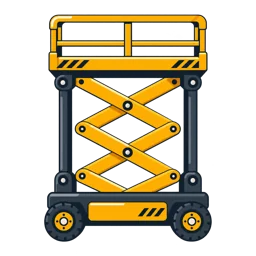
Different loads call for different carriage styles or forks. The final selection depends on the load type and site rules. If interior placement is the end goal, confirm door and opening sizes to avoid rehandling. Coordinate with aerial work needs; a telescopic boom may service installers while the telehandler stages materials.
Montgomery facility patterns
Industrial sites and distribution buildings around the city often separate laydown from working elevations. Telehandlers reduce cycle times between these zones, especially where cranes are not practical for short-duration picks.
Related resources
- Interior moves: forklifts
- Exterior aerial access: boom lift options
- Perimeter control: temporary fencing and barricades