Define the power path and light coverage first
- Can the generator sit clear of foot traffic while keeping cable runs manageable? Longer runs across industrial sites increase voltage drop and cable management complexity.
- Does the light need to graze a façade, flood a staging pad, or backlight a perimeter? Tall fixtures reduce shadowing but can push mast stability and footprint needs.
How local ground and weather change the setup
The Alabama Black Belt’s dense clay holds water after storms, turning firm areas slick and rutted. For generators and light towers, that means ground pressure, tire type, and site access matter as much as wattage. A tower that’s fine on cured slab may wander or settle on saturated soil. Positioning near paved aprons or compacted aggregate reduces movement risk and helps with service access during multi-night shifts.
Generator considerations for Montgomery facilities
- Duty cycle: Night maintenance windows in large manufacturing or logistics buildings often require continuous runtimes. Confirm expected load profile (steady vs. peaking) to size for headroom without excessive fuel burn.
- Access route: Narrow service alleys and dock lines dictate turning radius and tongue weight limits for towable units.
- Noise envelope: Some technology spaces near sensitive operations prefer quieter packages; enclosure type and placement distance affect the workable plan.
Light tower considerations on mixed surfaces
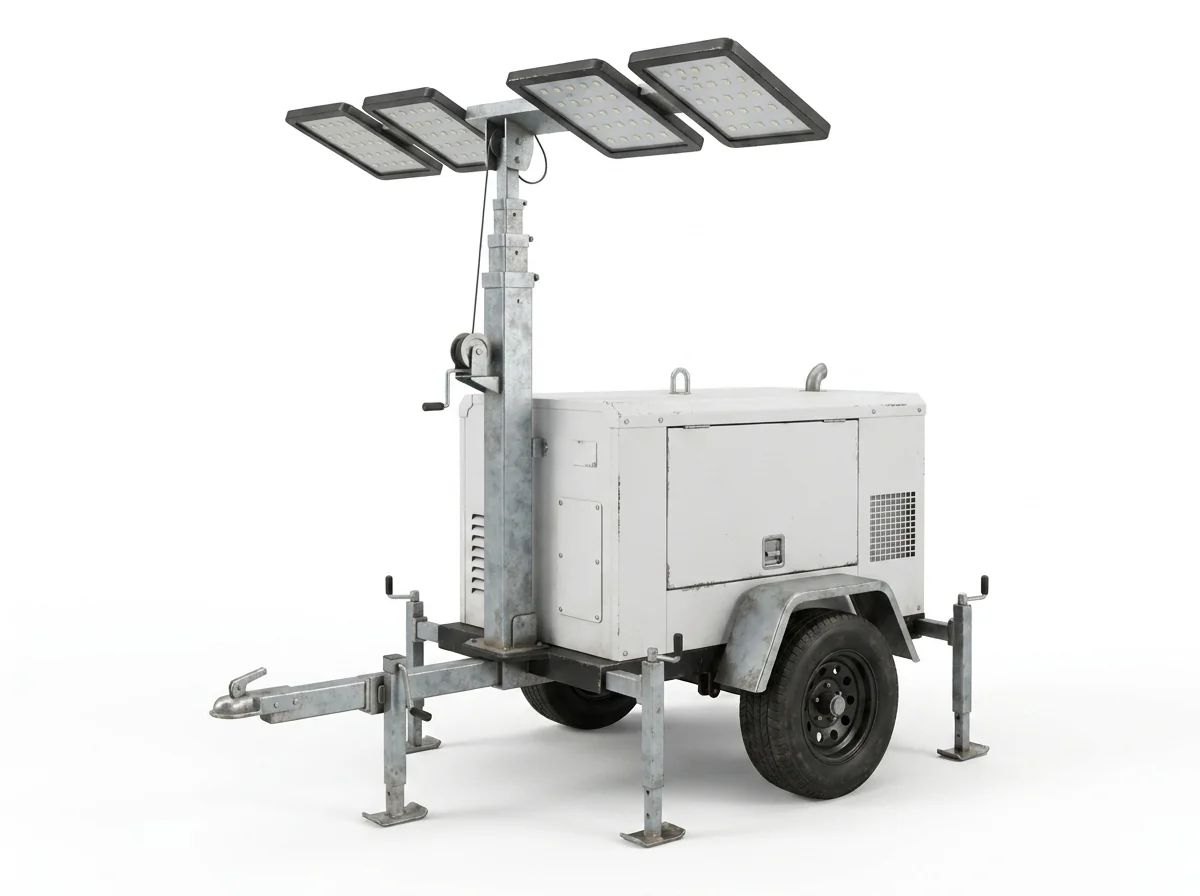
- Mast height vs. luma goals: Higher masts cut fixture count but need firm footing. On clay, a small shift can mis-aim fixtures; choose siting that allows periodic checks without crossing muddy ruts.
- Wind exposure: Open pads around large buildings can funnel gusts. Anchorage and releveling frequency depend on actual conditions and the selected unit’s instructions and site procedures.
When lifts or material handlers affect the plan
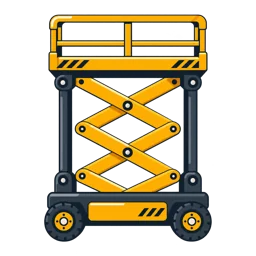
If lights must be aimed from height or temporary cabling needs to reach an overhead run, compare support equipment: - For indoor routing at finished slabs: see /electric-scissor-lift-rental/ and /vertical-mast-lift-rental/. - For exterior runs or uneven yards: see /rough-terrain-scissor-lift-rental/ and /telehandler-rental/.
Quick scoping checklist
- Surface: paved, compacted aggregate, or native clay; recent rainfall
- Run length: total cable distance to the furthest load or tower
- Clearance: turning radius, gate widths, and overnight security perimeter
- Runtime plan: single evening, weekend outage, or rotating night shifts
For help comparing adjacent options across site products, visit /products/ or get location details lined up via /contact/.