Surface and route considerations
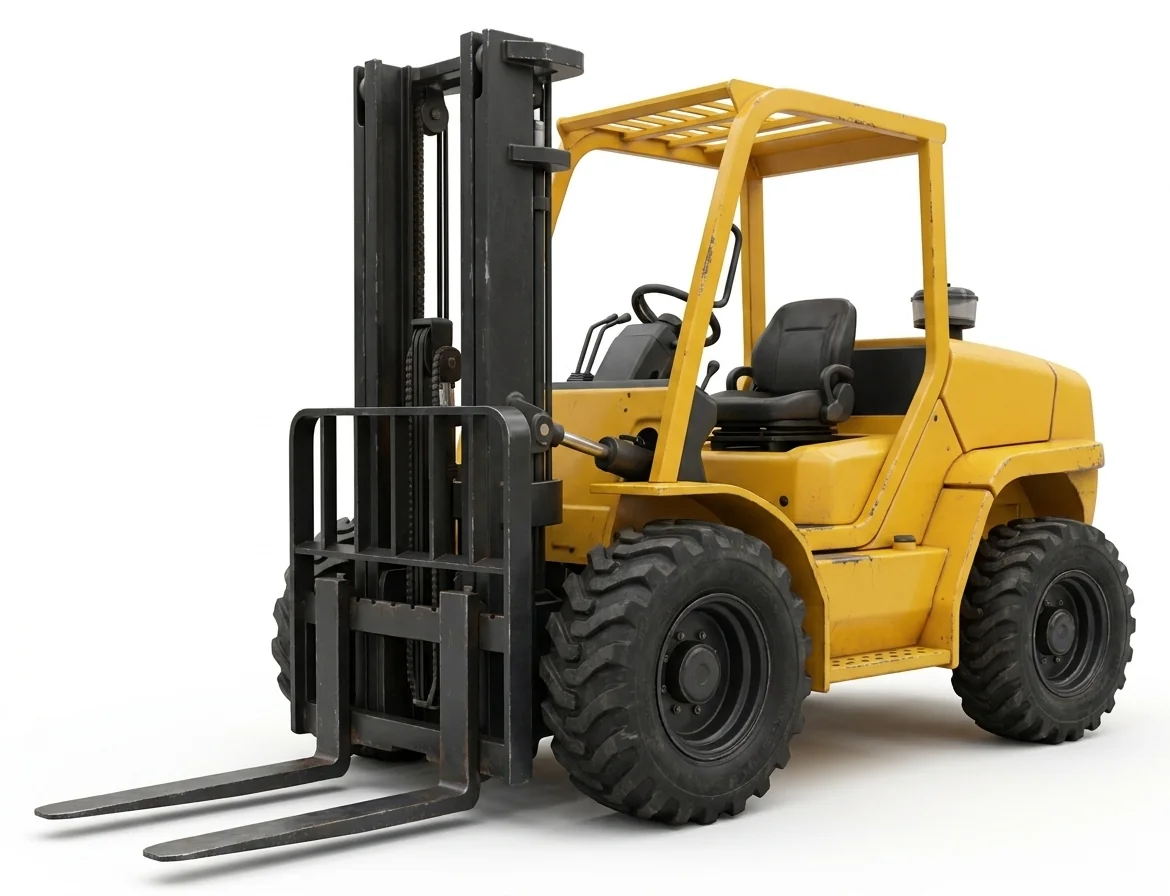
- Interior slab only: cushion-tire electrics keep emissions down and turning radius tight for dense racking.
- Mixed interior/exterior: pneumatic-tire units tolerate dock plates and paving transitions better.
- Exterior yards: rougher surfaces call for larger pneumatic tires; confirm grades and clearances.
Montgomery’s regional climate can leave exterior approaches wet, with clay near loading zones holding moisture. That makes traction and braking on the paving-to-yard transition a key factor. Actual site procedures and the selected unit’s instructions govern where and how a forklift can operate.
Load and aisle dimensions
- Heaviest pallet weight and typical load center.
- Rack beam height and lowest clearance points.
- Aisle width at the narrowest turn, including end-of-aisle space.
- Dock door dimensions and dock plate capacities.
Power and ventilation planning
Interior work in enclosed spaces may steer toward electric forklifts. Exterior-heavy cycles or multi-shift outdoor work may favor internal combustion, depending on site rules. For night work or remote staging, consider generators and light towers.
Coordinating with aerial tasks
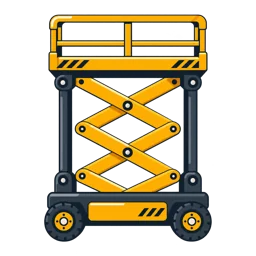
If the job includes elevated installation or maintenance, forklifts often support parts flow alongside vertical mast lifts or electric scissors. Sequence the route so materials arrive without blocking access lanes for aerial units.
Local facility patterns
Technology and logistics sites around Montgomery commonly require tight maneuvering at docks and quick moves between interior slab and exterior aprons. Matching tire type and unit size to these transitions reduces rehandling.