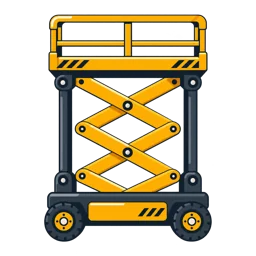
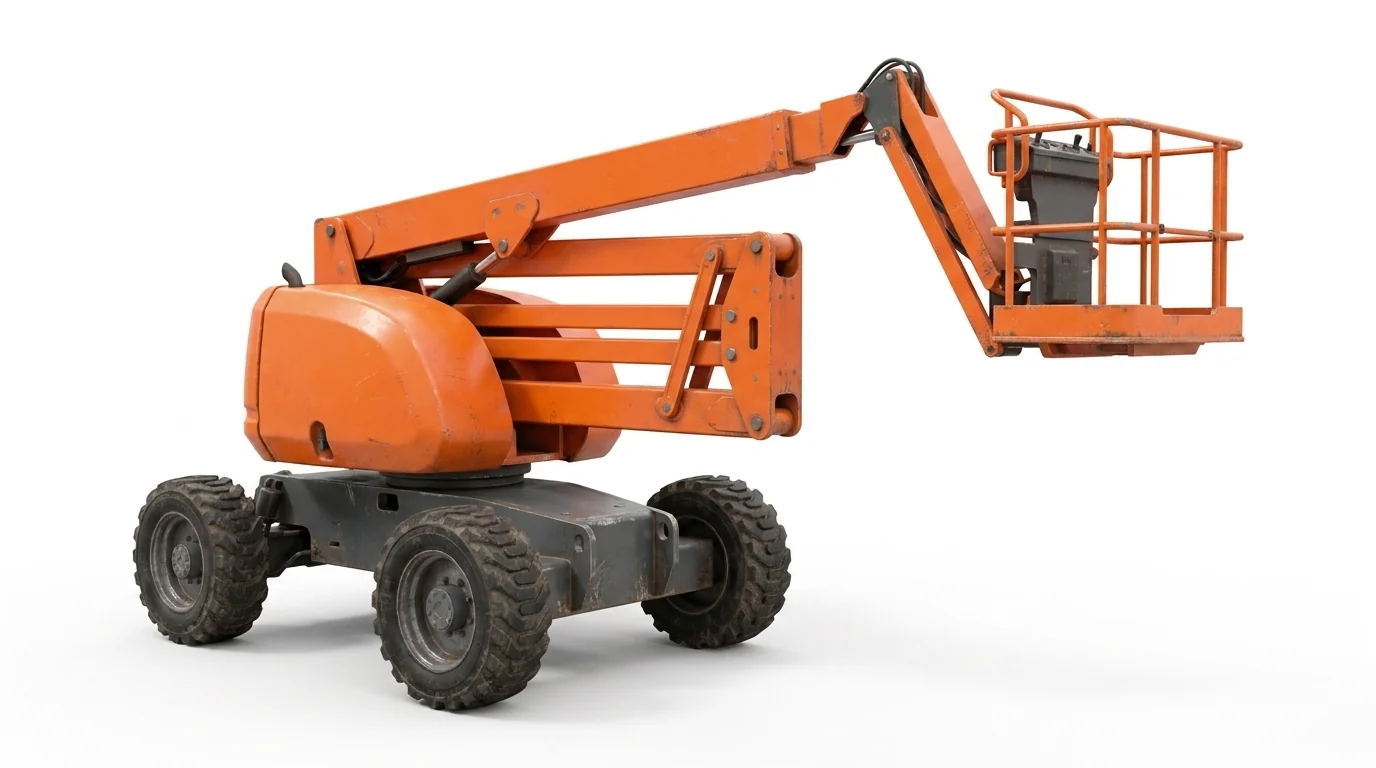
Scissor vs. boom at a glance
- Scissor lifts: Efficient vertical access with larger platforms. Best when the machine can park directly under the work. See /electric-scissor-lift-rental/ for indoor slabs and /rough-terrain-scissor-lift-rental/ for unfinished ground.
- Articulating booms: Up-and-over reach to clear equipment, canopies, and facade elements.
- Telescopic booms: Straight outreach and higher travel speeds for open sites and set-back tasks.
Local factors that change the plan
- Clay soils common in the area hold water, creating slick, unstable surfaces after rainfall. That affects tire choice, traction needs, and whether a scissor can safely stage on grade.
- Interior projects in manufacturing and technology spaces often weave around racks, conduit, and ductwork, making machine width, turning radius, and jib articulation key.
Height, reach, and footprint
- Working height: Confirm clearance above the highest obstruction, not just ceiling elevation.
- Horizontal reach: For set-back roof edges, equipment yards, or landscaped buffers, booms provide necessary offset.
- Footprint: Doorway and aisle constraints may dictate compact scissor lifts or narrow-chassis booms.
Example access patterns in Montgomery
- Production line changes: Electric scissor lifts for straight-up tasks within marked aisles.
- Exterior facade or signage: Rough-terrain scissor for vertical work on solid pads; articulating boom if the work sits behind canopies or landscaping.
- Utility and electrical maintenance in high-bay spaces: Articulating booms to work over cable trays and suspended systems.
Actual conditions, the selected unit’s instructions, and site procedures govern elevated work.